People
Pappy Hoel
Through the winter of 1937 to 1938, Don Vodden, a young member of a Sturgis motorcycle club, cut ice for Clarence and Pearl Hoel and stored it in an icehouse he had built near their ice dam in Vanocker Canyon, southwest of town, he told the rally historian Carl Edeburn in 2002. Ice was the Hoels’ old trade. Their new one, since 1936, was selling Indian motorcycles, and out of that shop and the riders around it came the Sturgis Motorcycle Rally, whose first races ran on August 14, 1938. J.C. “Pappy” Hoel (1904 to 1989) founded the rally, and Pearl Hoel (1905 to 2005) kept his books and fed his riders.
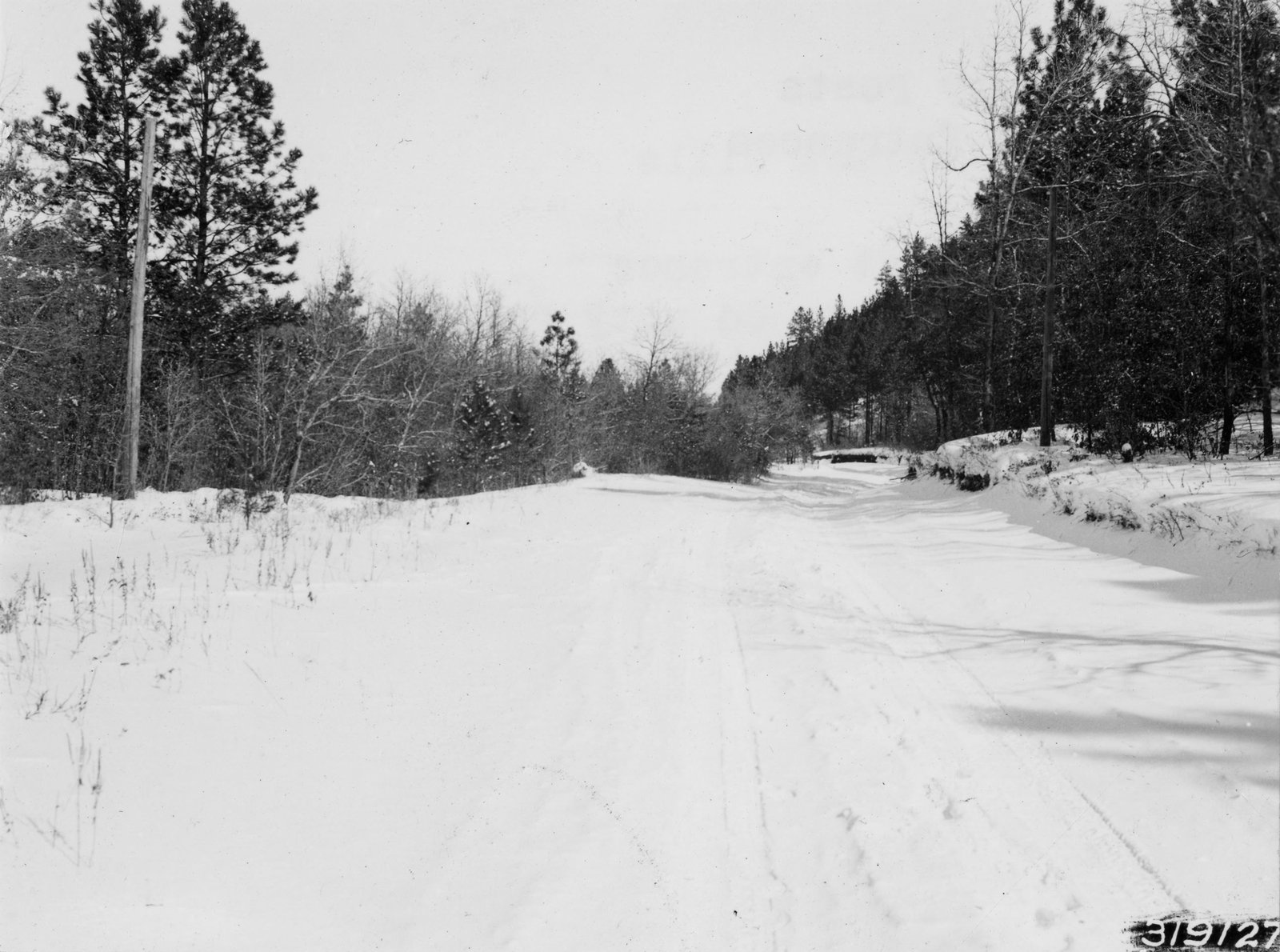
From Ice to Indian Motorcycles
Hoel was born in Sturgis on May 30, 1904, and grew up in his family’s ice business, the Sturgis Motorcycle Museum says. Edeburn gives his full name as John Clarence Hoel. Pearl, born in Ohio on November 10, 1905, came to Rapid City with her family at age five, according to the American Motorcyclist Association (AMA) Motorcycle Hall of Fame. She taught country school and met Clarence at a dance in Piedmont, Edeburn writes. They married in May 1928; their only child, Jack, was born seven years later.
Electric refrigerators reached Sturgis and nearby Fort Meade in 1936, Edeburn writes, and the ice trade suffered. By Edeburn’s account, Hoel asked Harley-Davidson for a dealership and got a letter of refusal, and the Indian Motorcycle Company granted him one at once. His shop, opened in 1936, stood on Junction Avenue, and Pearl kept the books for it and for the ice business, the AMA hall says.
Pappy and the Jackpine Gypsies
Young riders formed a club around the shop; sources date it to 1936 or 1937. They nicknamed the older Hoel Pappy, Edeburn writes. When the AMA chartered the Jackpine Gypsies, the club had 18 riders, among them miners from Lead and Deadwood, troopers from Fort Meade, high school students and the town mortician. How it got its name is disputed. Pearl Hoel said a passing motorist told the riders at a picnic that they looked like Gypsies; Vodden, the last living charter member, said members put names in a hat and voted. The club’s minutes for 1936 and 1937 are lost.
Who Organized the 1938 Races, and Who Paid?
The museum, the AMA hall and the historian Carlton Bonilla credit Hoel and his club. Edeburn, working from the Sturgis Tribune and members’ memories, found that the town’s merchants ran the races and held the money, while the club did most of the work. On August 1, 1937, Hoel had put on a field day at the Meade County Fairgrounds for riders from Sturgis, Lead and Rapid City; the Tribune announced it beforehand but printed nothing afterward, Edeburn found. The crowd impressed the town’s businessmen, he and the AMA hall say. That winter they set about staging a race weekend to bring trade to town and formed their own body, the Black Hills Motor Classic, open only to Sturgis business owners. By the end of June 1938 the Sturgis Commercial Club had authorized “a proper committee” for the meet, in the Tribune’s words.
Hoel, as a business owner, was one of only two club members admitted, for a $2 lifetime fee. That left the club one fundraiser, the Gypsy Tour, a group ride through the Hills, Edeburn writes. The committee had raised $500 in prize money by early July, the Tribune reported, and the purse later reached $750. The AMA backed the meet, its first sanctioned half-mile race in the region. Pearl’s standing in town helped win over Sturgis’s leading families, the AMA hall says.
The races ran on August 14, 1938, on a dirt track at the fairgrounds. Counts of the field run from nine racers to 19, and the event’s first name comes down as the Black Hills Classic or the Black Hills Motor Classic; The Sturgis Motorcycle Rally tells the day and what followed. Visiting riders camped in the Hoels’ yard behind the shop and ate what Pearl and other members’ wives cooked: weenies, sloppy joes, potato salad and watermelon, as she remembered it.
A Burning Wall and a Picnic in the Hills
Hoel cared less for racing than for hill climbs, scrambles and tricks, he wrote in Life’s Bits and Pieces, a memoir he published himself in 1982. His best-known trick was riding through a wall of thin pine boards set on fire, first at the 1938 meet, by Edeburn’s reading, and for years after. Once, local businessmen had a sturdier wall built of inch-thick tongue-and-groove boards under heavy advertising paint, and Hoel nearly came to grief charging it. The stunt “almost warped [Pappy’s] entire outlook on life,” his son, Jack, recalled in the memoir, as Bonilla quotes it.
Pearl ran the Gypsy Tour’s midday picnic until the crowds outgrew it in the late 1950s. She and the other wives counted motorcycles to know how much food to buy and hauled it into the Hills in an old pickup that also collected broken-down machines, Edeburn wrote in South Dakota Magazine.
Little of this rests on a document of the time. The Sturgis Tribune’s reports of 1937 and 1938, as Edeburn cites them, record the plans for the field day, the committee and the prize money. The burning wall rests on Hoel’s own memoir and his son’s telling; the club’s name, the backyard camp and the meals rest on what Pearl Hoel and Vodden remembered decades later.
Courthouse Pay and a Yamaha Shop
There was no rally in 1942 and 1943, during the war. Through those years and the lean 1950s, Pearl’s pay from the Meade County courthouse kept the family steady, Edeburn wrote. After Depression work delivering food to ranch families for the Works Progress Administration, she became deputy clerk of courts, then clerk, and was later elected register of deeds and then county auditor.
In 1947 Hoel sold more Indian motorcycles per capita than any dealer in the nation, the AMA hall says. The Indian company closed in 1953; Hoel sold Royal Enfields under the Indian name for a time, then Yamahas, until he retired in 1970, the museum says. In 1983 the AMA gave him its Dud Perkins Award. By the 1980s the rally had outgrown its local organizers and passed to the city and later to commercial ones, the AMA hall says.
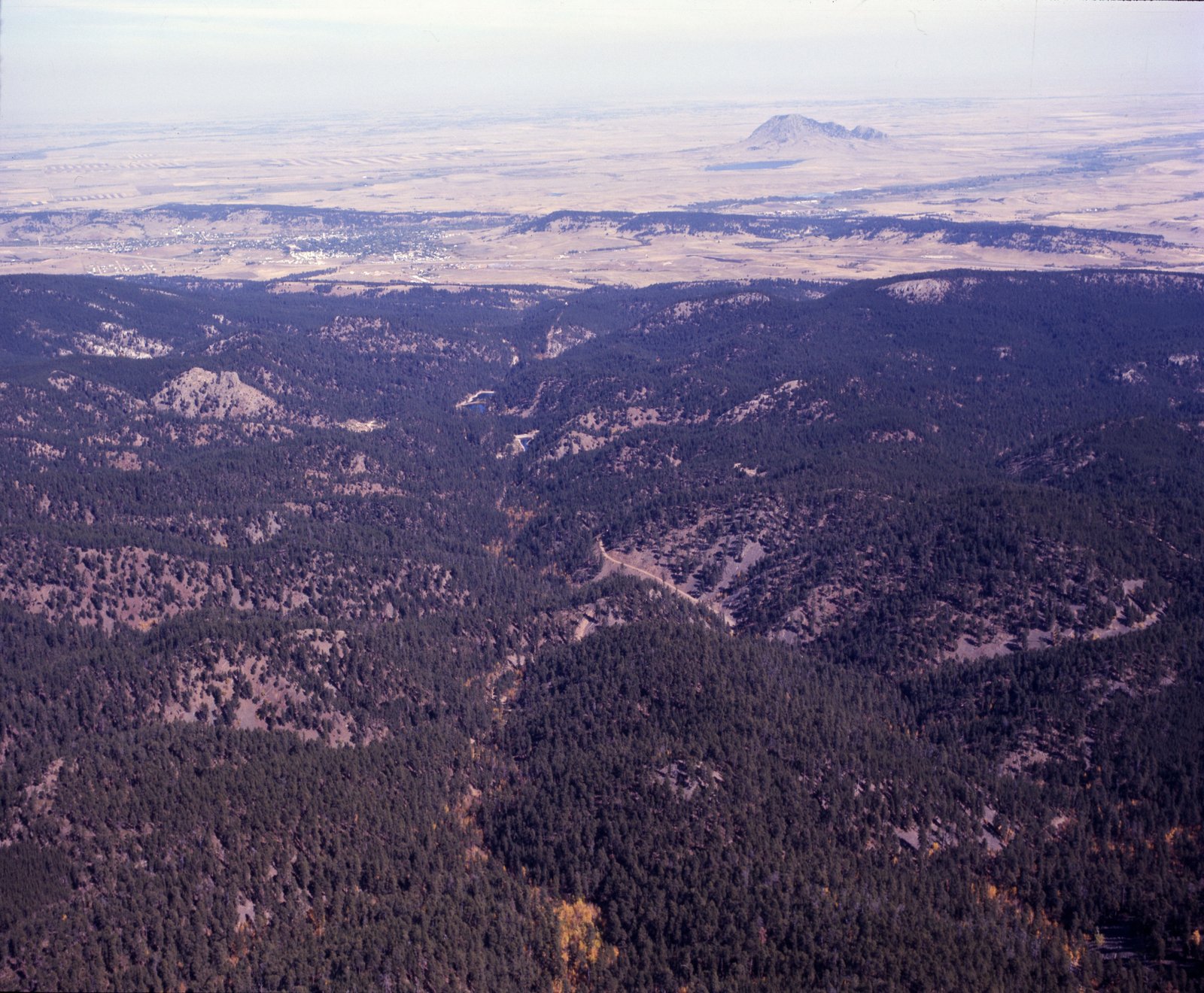
In later years, bars and campgrounds serving the rally’s crowds went up near Bear Butte, a mountain sacred to many tribes about 6 miles northeast of Sturgis. The fight over them is told on The Rally and Bear Butte.
Two Deaths, 16 Years Apart
J.C. Hoel died on February 1, 1989, at 84, and was buried in Bear Butte Cemetery in Sturgis, Fox News reported in 2024; the AMA hall also gives his age as 84, and SDPB as 85. The 50th rally came the next summer, and in 1998 the AMA Motorcycle Hall of Fame inducted him.
Pearl kept the family home open to rally guests and once rode an honorary lap in a sidecar at the races. She died in February 2005, at 99; the museum and the AMA hall give the day as February 27. The summer before, at 98, she had still hosted a Thursday breakfast in honor of the Retreads Club during the rally.
Connected
- The Sturgis Motorcycle RallyThe races Hoel’s club began in 1938, and how they grew.
- Sturgis, South DakotaThe town where the Hoels sold ice and motorcycles.
- The Rally and Bear ButteBars and campgrounds for the rally’s crowds near a mountain sacred to many tribes.
- The Northern HillsThe region the rally fills each August.
- Bear Butte and the Plains EdgeThe butte on the horizon of the aerial photo, and the plains around the Hills.
Sources
- The Early Days of the Jackpine Gypsies in the Northern Black Hills, by Carl Edeburn. West River History Conference proceedings, 2004, pp. 272–286; Leland D. Case Library for Western Historical Studies, Black Hills State University.
- Sturgis First Lady, by Carl Edeburn (from the March/April 2004 issue). South Dakota Magazine, 2011.
- A South Dakota Rendezvous: The Sturgis Motorcycle Rally and Races, by Carlton L. Bonilla. South Dakota History 28, no. 3, South Dakota State Historical Society, 1998.
- Sturgis Motorcycle Rally, by Carlton L. Bonilla. Encyclopedia of the Great Plains, University of Nebraska–Lincoln.
- Black Hills Motor Classic Begins (South Dakota History series). South Dakota Public Broadcasting, 2023.
- Meet the American Who Founded the Sturgis Motorcycle Rally, by Kerry J. Byrne. Fox News, 2024.
- Pappy Hoel: The Father of the Sturgis Motorcycle Rally, by Phil Aldridge. KOTA Territory News, 2025.
- J.C. “Pappy” Hoel (the museum’s own account). Sturgis Motorcycle Museum & Hall of Fame.
- Pearl Hoel (the museum’s own account). Sturgis Motorcycle Museum & Hall of Fame.
- J.C. “Pappy” Hoel (the hall’s own account). AMA Motorcycle Hall of Fame.
- Pearl Hoel (the hall’s own account). AMA Motorcycle Hall of Fame.
- Vanocker Road, Black Hills National Forest entrance. C. C. Averill, February 1936; Black Hills National Forest Historical Collection, Leland D. Case Library for Western Historical Studies, Black Hills State University; Digital Library of South Dakota.
- Sturgis area aerial view, including Bear Butte. C. E. Ferweda, undated; Black Hills National Forest Historical Collection, Leland D. Case Library for Western Historical Studies, Black Hills State University; Digital Library of South Dakota.
Last reviewed: