History
People of the Black Hills
- Crazy Horse and the Black HillsThe Oglala war leader in the wars of the 1860s and 1876, his surrender and killing at Camp Robinson in 1877, and why no portrait of him appears.
- Red Cloud, Oglala Lakota LeaderThe leader whose war closed the Bozeman Trail forts, the 1868 treaty he signed, and his stand on the Hills in the years after.
- Black Elk, Oglala Lakota Holy ManThe holy man the peak is named for: the vision, the pageant he made near Rockerville, his years as a catechist, and the book.
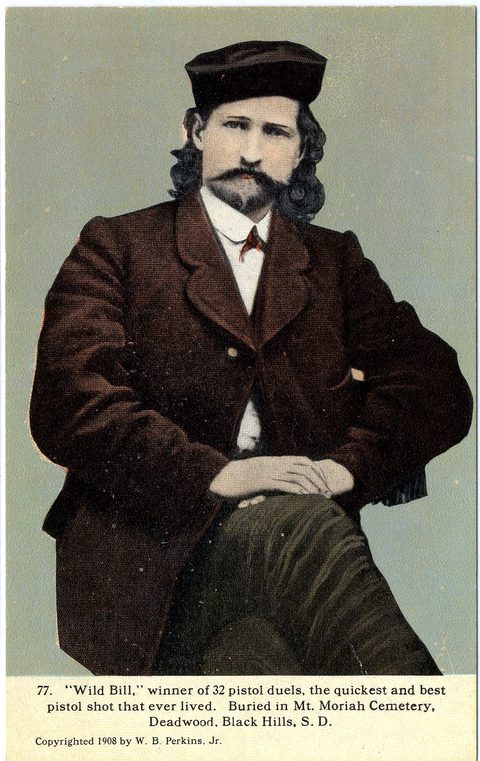
- Wild Bill HickokA few weeks in Deadwood in 1876, the shooting, the two trials of Jack McCall, and the record set against the legend.
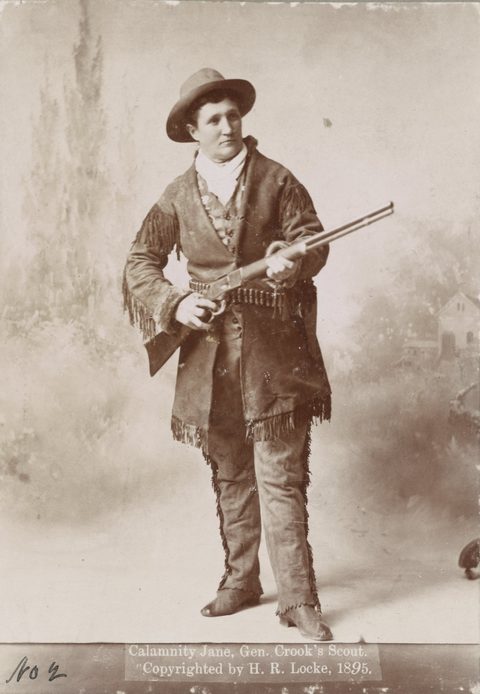
- Calamity JaneMartha Canary's documented life against the stories she and the dime novels told, and her burial beside Hickok.
- Seth BullockHardware merchant, sheriff, town builder, forest supervisor and friend of Theodore Roosevelt.
- Sitting Bull and the Fight for the Black HillsThe Hunkpapa leader who would not sell the Hills: the 1876 war, the years in Canada, and his killing in December 1890.
- Peter NorbeckGovernor and senator behind Custer State Park, the Needles Highway, Iron Mountain Road and the money for Mount Rushmore.
- Gutzon BorglumThe sculptor of Mount Rushmore: the carving years, his quarrels with the commission, and his ties to the Klan.
- Korczak Ziolkowski and Henry Standing BearThe Lakota leader who asked for a memorial to Crazy Horse and the sculptor who began it in 1948, and why tribal members disagree about it.
- Doane RobinsonThe state historian whose plan to carve the Needles turned into Mount Rushmore.
- George HearstThe investor who bought the Homestake claim, the company his agents built at Lead, and Phoebe Hearst's gifts to the town.
- Badger ClarkSouth Dakota's first poet laureate and his cabin in Custer State Park.
- Annie TallentThe one woman in the Gordon Party of 1874, which entered the Hills against the treaty, and the book she wrote about it.
- Spotted Tail, Brulé Lakota LeaderThe Brulé Lakota leader in the 1868 treaty and the 1875 talks over the Hills, his part in Crazy Horse's surrender, and his killing in 1881.
- Valentine McGillycuddy, Surveyor, Doctor and AgentMapmaker on the 1875 survey, the doctor at Crazy Horse's deathbed, agent at Pine Ridge, and the man whose ashes lie on Black Elk Peak.
- Scotty PhilipThe rancher whose bison herd, grown from calves the Dupree family saved, supplied Custer State Park's first 36 animals.
- Fee Lee Wong and Deadwood's Chinese CommunityThe merchant of the Wing Tsue store, his family, and the Chinese community of Deadwood's lower Main Street.
- Preacher SmithThe Methodist preacher shot on the road to Crook City in August 1876, and what the record does and does not show about who killed him.
- Poker AliceAlice Tubbs, gambler: the record of her years at Deadwood and Sturgis set against the stories she told.
- Pappy HoelJ.C. Hoel, the Sturgis motorcycle dealer behind the 1938 races, and Pearl Hoel beside him.
- Clyde IceBarnstormer and bush pilot who flew out of Spearfish for decades, and the airfield that carries his name.
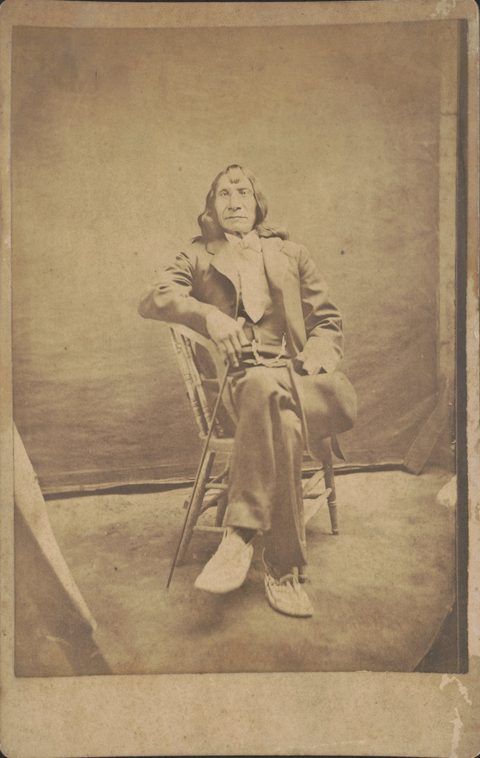
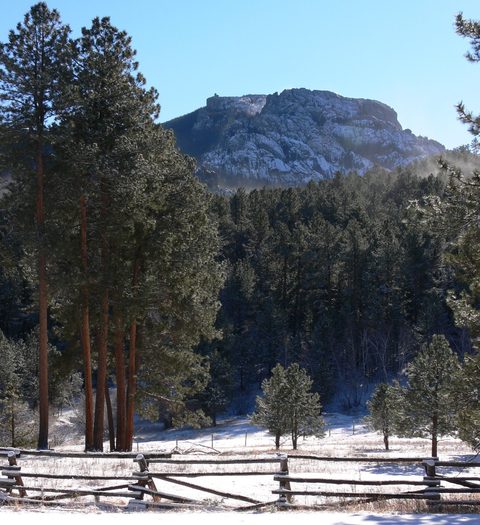
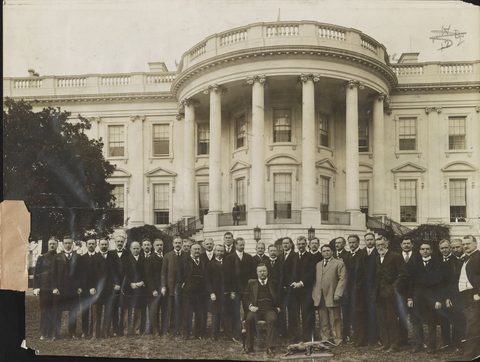
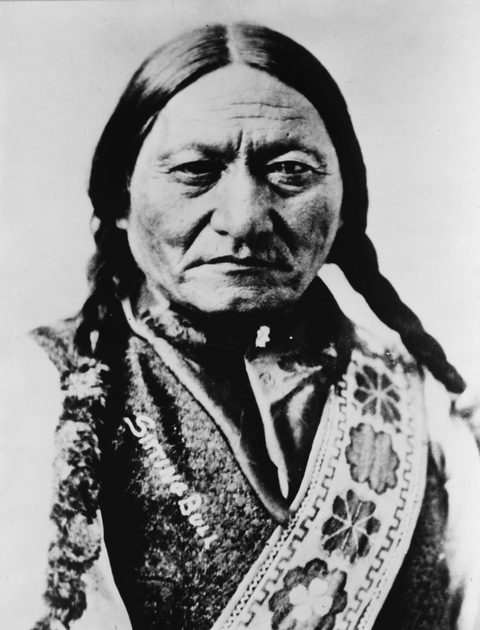
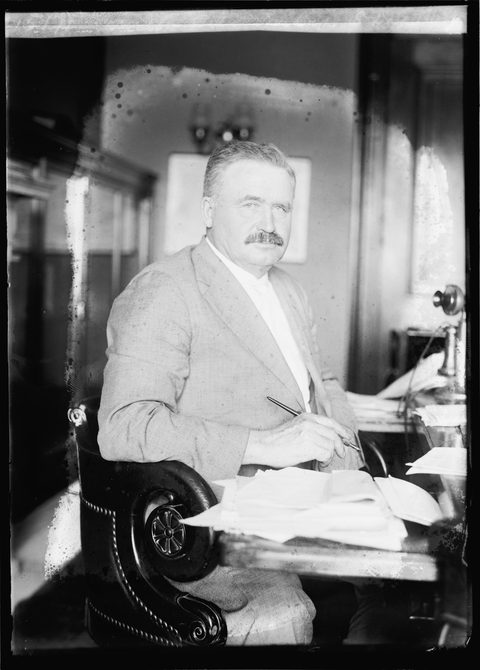
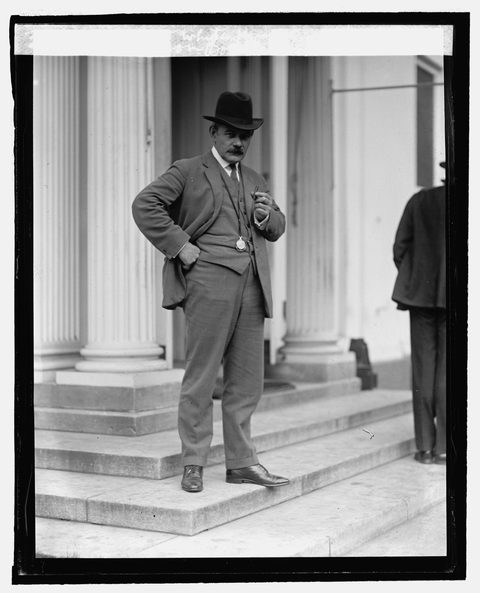
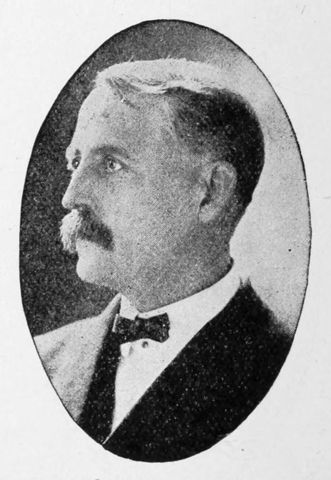
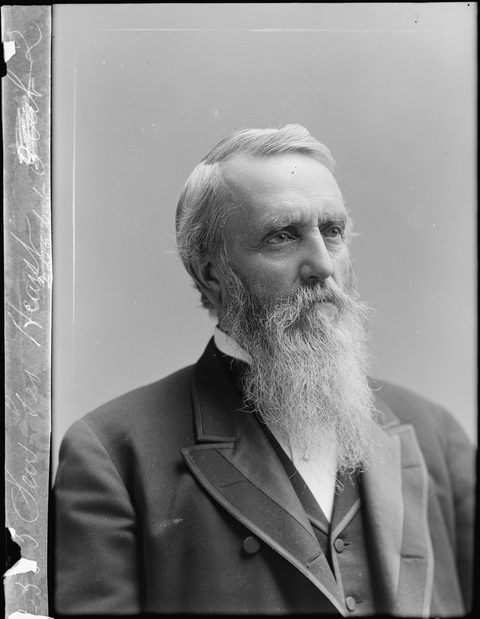
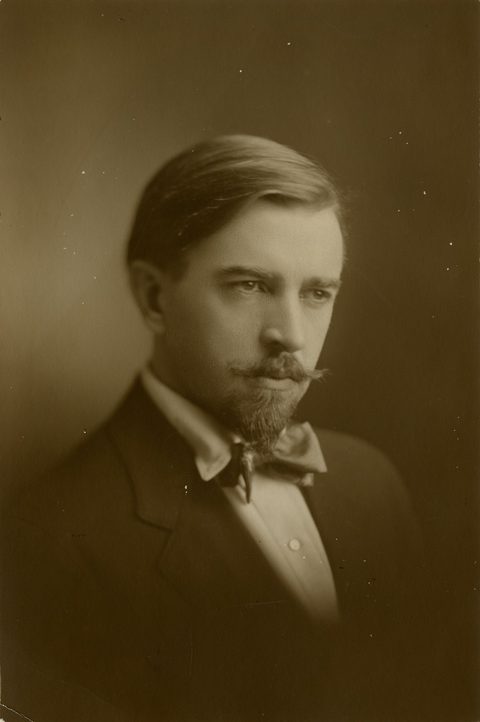
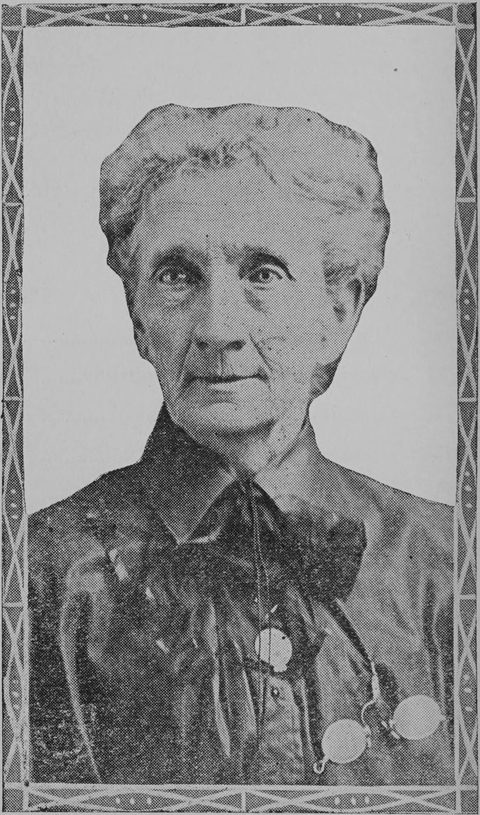
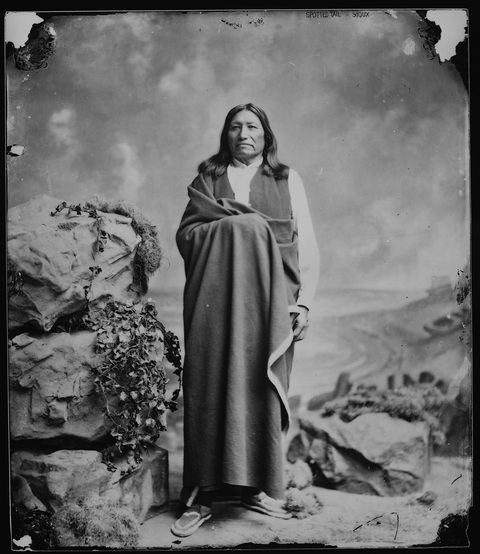
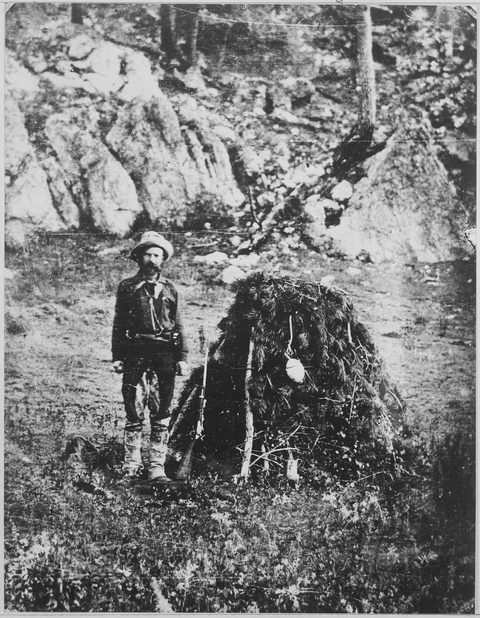
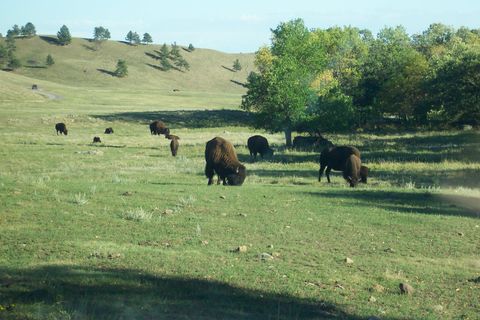
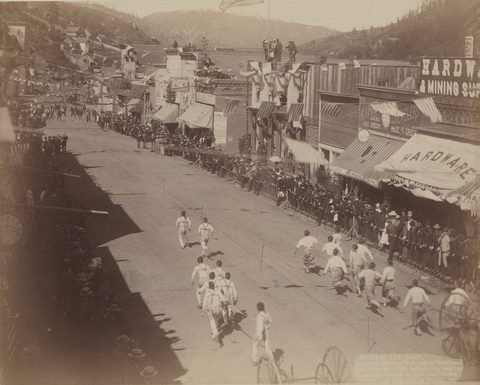
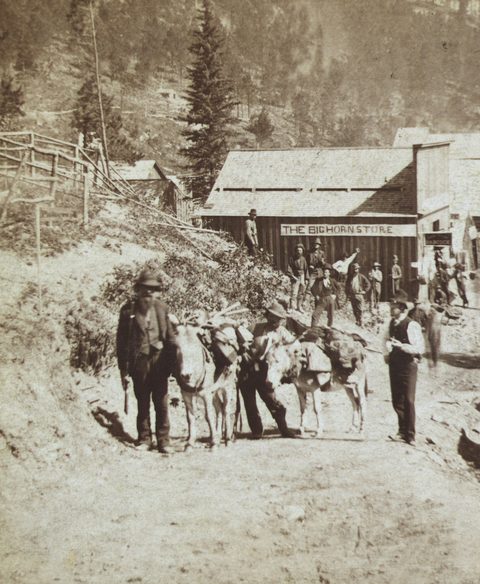
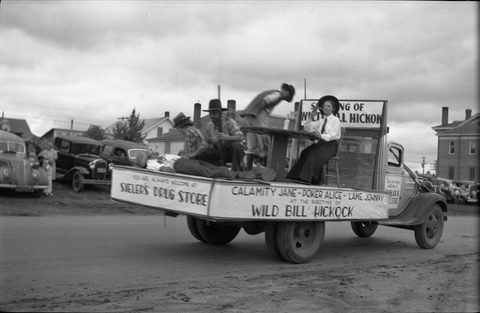
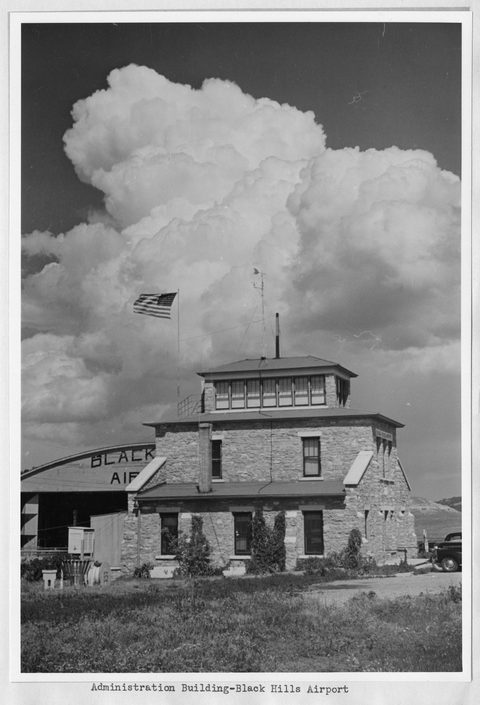
These pages take one life at a time. Each tells how a person's years touched the Black Hills, says what the records of the time show and what rests on later telling, and links to the pages that carry the larger events.
Three are Oglala Lakota: Crazy Horse, Red Cloud and Black Elk. Three belong to Deadwood's first years: Wild Bill Hickok, Calamity Jane and Seth Bullock. A fourth Lakota leader, the Hunkpapa Sitting Bull, has a page for what his life meant to the Hills. The events they lived through are told in full on The 1876 War and the Taking of the Hills and Deadwood's Wild Years, 1876 to 1879.
Others shaped what visitors see now. Doane Robinson proposed a carving, Gutzon Borglum made it and Peter Norbeck found the money; Henry Standing Bear and Korczak Ziolkowski began another. George Hearst bought the Homestake, Annie Tallent came with the Gordon Party of 1874, and Badger Clark lived and wrote in a cabin in Custer State Park.
Eight more are less often told. Spotted Tail led the Brulé Lakota through the treaty years, and Valentine McGillycuddy mapped the Hills and later ran the agency at Pine Ridge. Scotty Philip kept a bison herd alive, Fee Lee Wong kept a store in Deadwood’s Chinese quarter, and Preacher Smith and Poker Alice belong to the gulch’s legend as much as its record. Pappy Hoel started the races at Sturgis, and Clyde Ice flew from Spearfish.
Last reviewed: