Section
Wildlife and Plants
- BisonGrazing and wallowing, bison on prairie dog towns, an Oglala account, near extinction, and how a few small herds pulled through.
- Elk, Bighorn Sheep and Mountain GoatsElk and bighorns lost by 1900 and shipped back, mountain goats from Alberta, and pneumonia and chronic wasting disease in the herds.
- Prairie Dogs and Black-Footed FerretsLife in a prairie dog town, the ferret's return to the Badlands and Wind Cave, plague, and the fight over control.
- The Ponderosa Forest, Fire and the Pine BeetleWhat tree rings say about old fires, the Jasper Fire of 2000, and the beetle epidemic that killed millions of pines.
- Birds and WildflowersSpruce holdouts, woodpeckers that follow fire, pasque flowers and dippers, where northern, eastern and western species meet in the Hills.
- Mountain Lions in the Black HillsHow the cats came back, how many the state estimates, what they eat, the fight over hound hunting, and why few people see one.
- Bears in the Black HillsBlack bear sightings since 2018 and which ones the state confirmed, where the bears come from, and the grizzlies that lived here before.
- Prairie Rattlesnakes and Other SnakesWhere the region's one venomous snake lives, how to tell it from a bullsnake, the harmless snakes, and what agencies say about bites.
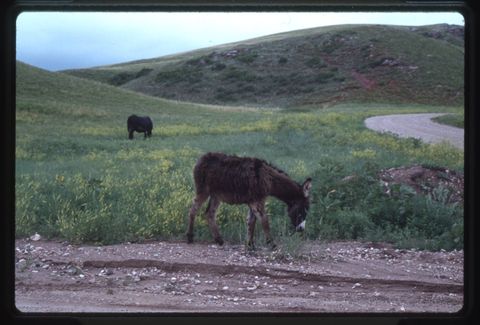
- The Begging Burros of Custer State ParkWhere the burros came from, why they are feral and not wild, how the park keeps the band small, and the rule on feeding them.
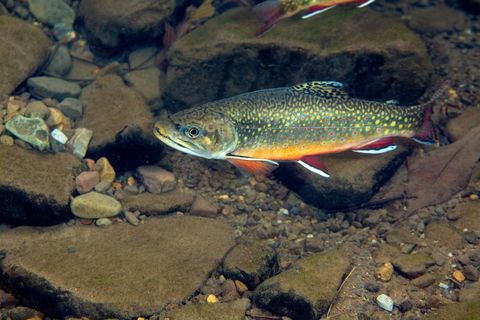
- Trout in the Black HillsNo trout is native here: who stocked them from the 1880s on, the Spearfish hatchery, and which trout and native fish live in the streams now.
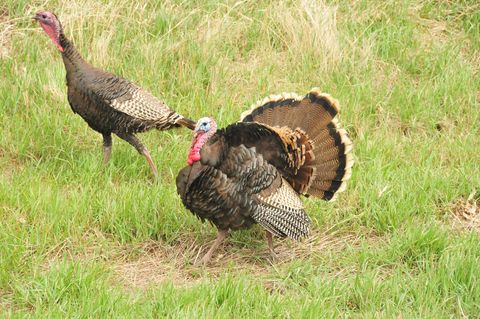
- Wild Turkeys in the Black HillsHow Merriam’s turkeys arrived in 1948, how the flock spread, where visitors see them, and what carries them through winter.
- Black Hills Wildflowers (companion field guide)A separate site: a photo guide to the wildflowers, trees, shrubs, grasses and mushrooms of the Black Hills, arranged by flower color.
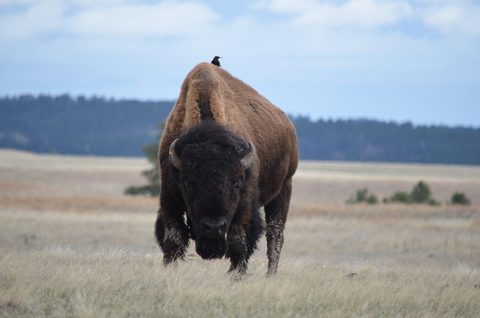
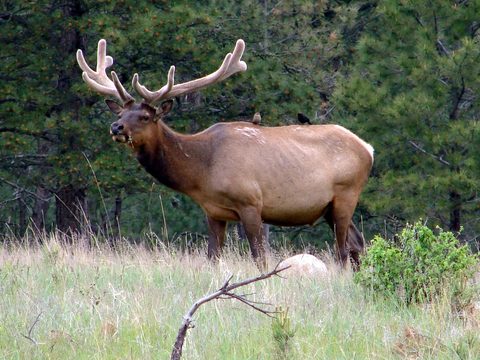
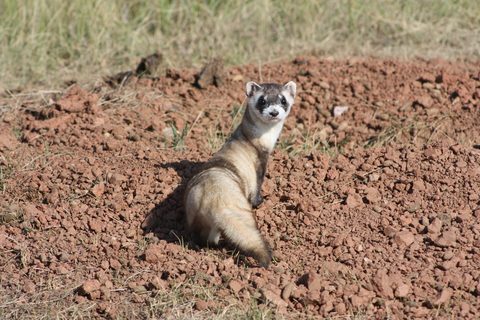
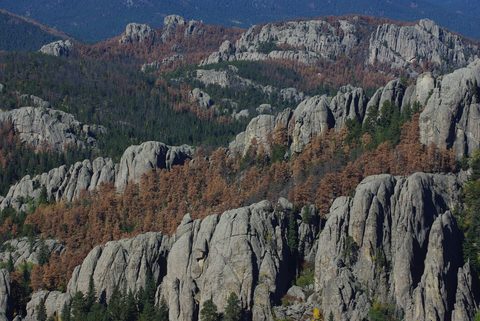
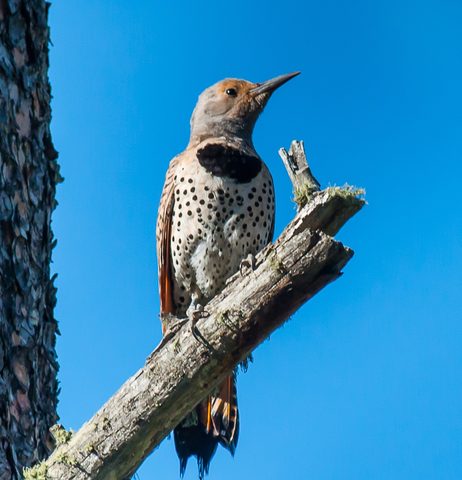
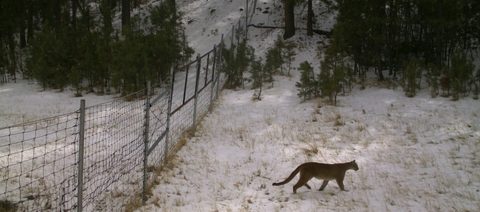
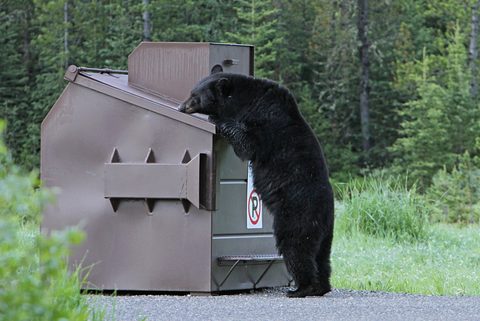
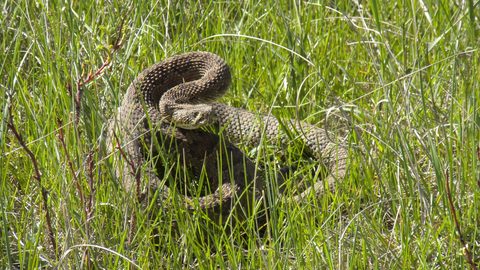
Bison, elk and prairie dogs share the grassland of Wind Cave National Park, and since July 4, 2007, so have black-footed ferrets. The last one seen there, the acting superintendent said, was 30 years earlier. The animals of the Black Hills keep turning up together, and so do the pages here. Five of this section's pages take broad subjects: bison; elk, bighorn sheep and mountain goats; prairie dogs and black-footed ferrets; the ponderosa pine forest and the beetle that kills it; and the birds and wildflowers.
Wind Cave also figures in an Oglala Lakota account of where the first bison came from. The park publishes the emergence story as Sina Bear Eagle retells it from Wilmer Mesteth, a tribal historian and spiritual leader. In it, people lured up to the surface against the Creator's wishes were changed into the first bison; when the rest emerged, the Creator told them to follow the herd, and it gave them food, clothing and shelter. Bands and families tell it their own ways; Sacred Sites has more.
Bison covers the animal and its near extinction. The herds in the Hills today grew from a few dozen animals brought in afterward. Wind Cave's descends from 14 that arrived from the New York Zoological Gardens in 1913 and six that came from Yellowstone in 1916. In Custer State Park the founders were 36 bison bought in 1914 from Scotty Philip's herd. The Return of the Bison follows the tribes' work to restore herds of their own.
Not every large animal here is an old resident. Elk, Bighorn Sheep and Mountain Goats tells how two of them were lost and brought back, and how the third arrived for the first time. South Dakota Game, Fish and Parks says the mountain goat "is not native to South Dakota"; the first six came from Alberta to Custer State Park in 1924, escaped, and made the granite crags near Black Elk Peak their home.
The black-footed ferret depends on another animal. Prairie dogs are about 90 percent of what it eats, the Park Service says, and it lives in their old burrows. Thought extinct by 1980, the ferret turned up again on a Wyoming ranch in 1981; Prairie Dogs and Black-Footed Ferrets follows its return and the plague that strikes predator and prey alike.
The forest has its own history of loss. The most recent mountain pine beetle epidemic, from about 1996 to 2016, left about 8.6 million ponderosa pines dead by the count in a 2023 Forest Service assessment, and The Ponderosa Forest, Fire and the Pine Beetle sets that epidemic beside the fires recorded in the trees. More than 1,500 kinds of plants grow in what the Forest Service describes as an "ecological crossroads," where species of the Rocky Mountains and Great Plains live near others from the northern boreal forest and the eastern hardwoods. Birds and Wildflowers follows where those worlds meet, from the spruce of cool north-facing slopes to the pasque flowers of early spring.
Six more pages take one animal each: mountain lions, bears, prairie rattlesnakes, the begging burros of Custer State Park, trout and wild turkeys. The last three were all brought to the Hills by people.
Sources
- Black-footed Ferrets Return to Wind Cave National Park (news release). National Park Service, Wind Cave National Park, 2007.
- Wildlife Management. National Park Service, Wind Cave National Park, 2026.
- The Lakota Emergence Story, told by Wilmer Mesteth, retold by Sina Bear Eagle. National Park Service, Wind Cave National Park, 2024.
- Counting Bison...And New Experiences in the Latino Heritage Internship Program. National Park Service, 2025.
- Custer State Park History. South Dakota Game, Fish and Parks.
- South Dakota Mountain Goat Action Plan, 2024–2028 (Wildlife Division Report 2024-02AP). South Dakota Department of Game, Fish and Parks, 2024.
- Black-footed Ferret: Rebounding in the Badlands. National Park Service, Badlands National Park, 2020.
- Revised Forest Assessment: Insects, Disease, and Invasive Species. USDA Forest Service, Black Hills National Forest, 2023.
- Black Hills Native Plants. USDA Forest Service, Black Hills National Forest, 2025.
Last reviewed: