Section
Ranching, Farming and Work
- The Open Range and the Cattle DrivesTexas trail herds and big outfits, roundups and brands, an overstocked range, and the railheads at Moorcroft and Belle Fourche.
- Homesteading the Edges of the HillsClaims under the 1862, 1909 and 1916 laws, gumbo soil, 14 inches of rain a year, and who stayed.
- The Belle Fourche Irrigation ProjectOrman Dam and its canals, settlers new to farming, the 1927 sugar factory, and the farms around Newell it waters now.
- Logging the PonderosaMine timbers, the Homestake timber trial, why the ponderosa keeps coming back, and today’s dispute over timber sales.
- Bison Herds, Bison Ranching and the Buffalo RoundupWhere Custer State Park’s herd came from, how its grass sets the herd’s size, the roundup and auction, and bison ranches.
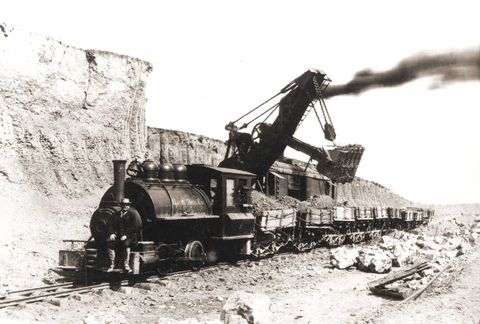
When Orman Dam was finished on June 30, 1911, no rolled-earth dam in the world was larger. It stores water for farms along the Belle Fourche River and its side streams, and it still irrigates about 57,000 acres. This section covers the work that has kept people on the land around the Black Hills: cattle on the open range, homestead farms, the Belle Fourche irrigation project, logging in the ponderosa pine forest, and bison herds.
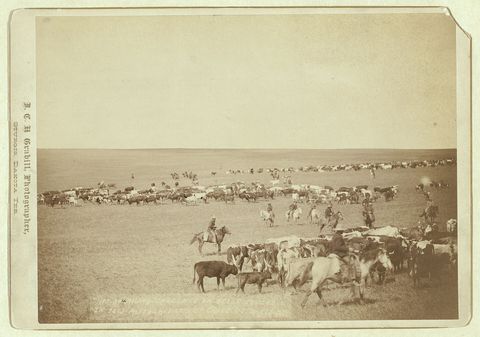
Cattle came before the canals. Herds trailed north from Texas had reached northeastern Wyoming by the late 1870s, and by 1880 big outfits were running cattle in Crook County, according to Nicole Lebsack’s county history for WyoHistory. The Open Range and the Cattle Drives follows the trail herds, the roundups that sorted them and the brands that marked them. One winter on that range, 1886–87, is the subject of an essay among the connections: The Winter of 1886–87 on the Cattle Range.
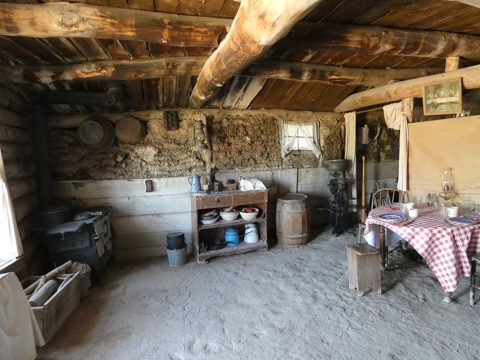
Farming came in under federal land law. Under the Homestead Act, approved on May 20, 1862, a family head could claim 160 surveyed acres of public land, live on it and cultivate it, and own it outright after five years. On the dry plains around the Hills, drought drove many claimants off, as Homesteading the Edges of the Hills shows. Where water could be carried to the fields, the government took a different approach: the Belle Fourche Project, the second that the new Reclamation Service took on, won federal approval on May 10, 1904. The Belle Fourche Irrigation Project follows its dam, canals, settlers and sugar beets.
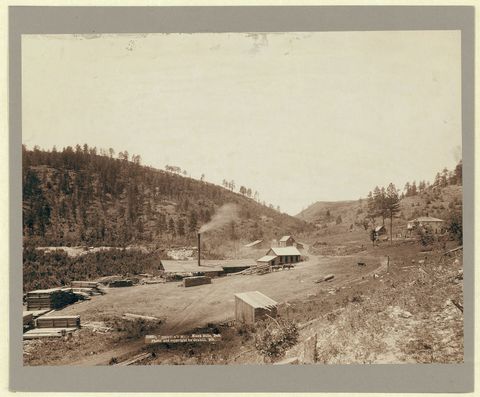
Timber work began earlier still. Mines burned wood, built with it and propped up their tunnels with it, and the historian Richmond Clow writes that the first small sawmills were hauled into the Hills in 1876. Those mills ran on reservation land. Under the 1868 treaty the Black Hills were part of the Great Sioux Reservation, and the Hills were taken from the tribes in 1877 without the consent the treaty required; The 1876 War and the Taking of the Hills tells how. The Black Hills Forest Reserve followed in 1897, proclaimed by President Grover Cleveland on February 22, and in 1899 the Homestake Mining Company won Case No. 1, the first regulated sale of federal timber. Logging the Ponderosa carries the trade from mine timbers to the present argument over harvest levels.
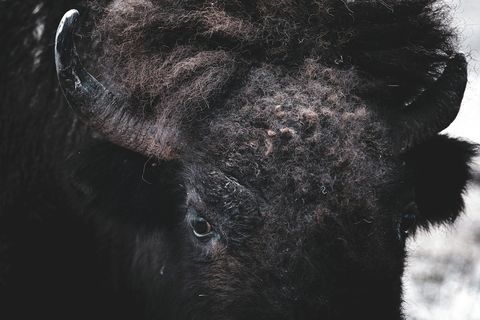
The last page turns to bison. Custer State Park rounds up its bison every year, a job the state calls “a critical management tool” for a healthy herd, and Bison Herds, Bison Ranching and the Buffalo Roundup also follows bison onto South Dakota’s private ranches. The 2026 roundup brought in about 1,300 of them. The first 36 came in 1914, bought from Scotty Philip’s herd.
Sources
- South Dakota: Belle Fourche Dam. National Park Service, 2017.
- Orman Dam (Belle Fourche Dam), National Register of Historic Places Inventory–Nomination Form, prepared by Raymond A. Ninke. Bureau of Reclamation, 1976.
- Belle Fourche Dam (historic civil engineering landmark). American Society of Civil Engineers, accessed 2026.
- Crook County, Wyoming, by Nicole Lebsack. WyoHistory.org, Wyoming State Historical Society, 2014.
- Homestead Act (1862). National Archives, Milestone Documents, accessed 2026.
- Timber Users, Timber Savers: Homestake Mining Company and the First Regulated Timber Harvest, by Richmond L. Clow. Forest History Today, Forest History Society, 1998.
- Treaty of Fort Laramie (1868). National Archives, Milestone Documents, accessed 2026.
- United States v. Sioux Nation of Indians, 448 U.S. 371. Supreme Court of the United States, 1980 (Legal Information Institute, Cornell Law School).
- FAQs. USDA Forest Service, Black Hills National Forest, accessed 2026.
- Buffalo Roundup and Arts Festival. South Dakota Game, Fish and Parks, 2026.
- Custer State Park History. South Dakota Game, Fish and Parks, accessed 2026.
Last reviewed: