Section
Land and Water
- Where This Site StandsThe four positions in short form, and how they are kept apart from the reporting.
- Land Back in Plain TermsThe closed court claim, the refused money, who asks for what, and what a return of land would take.
- Uranium Mining Around the Black HillsThe old mines, the well-field proposal near Edgemont, its permits and the aquifers.
- Gold, Lithium and the New Mining RushThe working Wharf mine, the exploration drilling, the 1872 mining law and the Pactola withdrawal.
- What the Old Mines Left BehindWhitewood Creek, Gilt Edge and the abandoned uranium mines: what cleanup cost and what worked.
- Where the Hills’ Water Comes FromThe Madison and Minnelusa aquifers, Rapid Creek and Pactola, dry years and the Missouri River proposal.
- Oil Pipelines and the RiversKeystone XL, the Keystone line’s spills in South Dakota, and Dakota Access at Lake Oahe.
- Who Decides, and How to Be HeardWhich agency, board or lawmaker rules on mines, wells, pipelines and land, and how comment periods work.
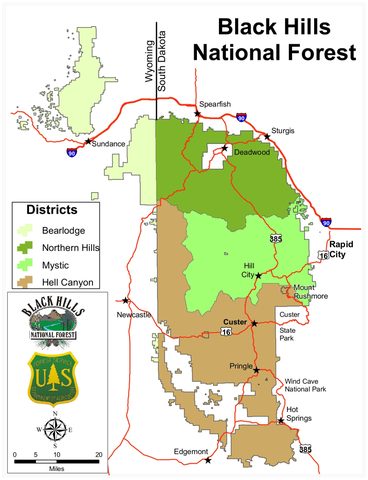
The rest of this guide looks mostly backward: how the rock formed, who lived here, what was built and what was taken. This section looks at what is being decided now. It covers uranium, gold and the other metals, the water under and around the Black Hills, the oil pipelines of the plains, and the land question the 1980 Supreme Court ruling left open.
It is also the one section where the site says what it thinks. Five of the pages end with a marked block, “Where This Site Stands,” set below the facts. Where This Site Stands gathers the four positions on one page and explains how they are kept apart from the reporting.
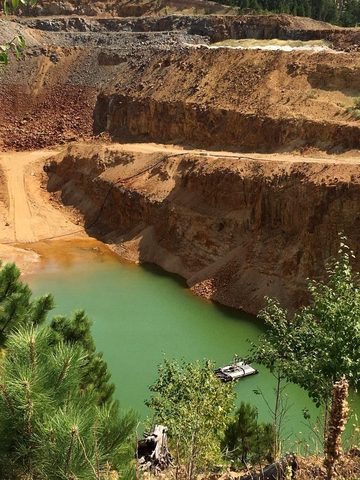
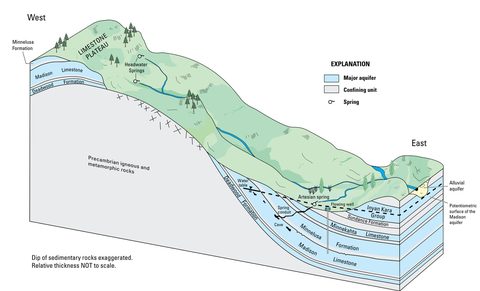
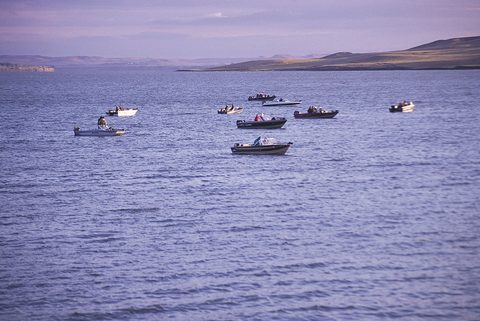
Start with the ground. Where the Hills’ Water Comes From follows the aquifers and reservoirs that supply the towns, and What the Old Mines Left Behind reports what earlier mining cost to clean up, who paid, and which reclamation worked. Gold, Lithium and the New Mining Rush and Uranium Mining Around the Black Hills cover what is proposed today, and Oil Pipelines and the Rivers follows Keystone XL, the Keystone line’s spills and Dakota Access.
Land Back in Plain Terms separates three things that are often run together: the court claim, the money the tribes refuse, and the call for land. Who Decides, and How to Be Heard closes the section with the agencies, boards and lawmakers that rule on each of these questions.
Last reviewed: