Wildlife and Plants
Mountain Lions in the Black Hills
From 1906 through 1931, only one mountain lion was recorded as killed in the Black Hills, by a 1946 count that South Dakota’s management plan cites. The cats had once been numerous here. Now the state estimates a few hundred in the South Dakota Hills and hunts them each year. This page covers how mountain lions (Puma concolor) came back, how the state counts them, what they eat, the argument over how they are hunted, and why so few people see one.
Bounties, Then a Return on Their Own
South Dakota paid bounties on mountain lions from 1889 to 1966. Bounties and unregulated hunting, of the lions and of the animals they preyed on, left the cats nearly wiped out by the early 1900s, the South Dakota Department of Game, Fish and Parks (GFP) says. In December 1958 the hunt for a single male on Elk Mountain, in the southern Hills, was written up in detail.
The state listed the lion as threatened in 1978. GFP began logging and checking reports of lions in 1985. In 1997 it estimated that 40 to 50 lions lived in the Hills, a figure it says rested largely on anecdotes. A five-year study with South Dakota State University, finished in 2003, put the number at 127 to 149.
No one brought them back. The lions returned in the 1980s, South Dakota Searchlight has reported, recolonizing the Hills on their own, most likely as young lions spread out from crowded ranges, GFP’s plan says. The nearest breeding populations, the plan adds, are in Nebraska’s Pine Ridge, about 50 miles south, Wyoming’s Laramie and Bighorn mountains, and the North Dakota Badlands. Genetic studies show Black Hills lions are most closely related to Wyoming’s, the US Fish and Wildlife Service noted in 2018. In 2003 the state took the lion off its threatened list and made it a big game animal, protected all year. The first season, called experimental, opened in 2005.
How Many Mountain Lions Live in the Black Hills?
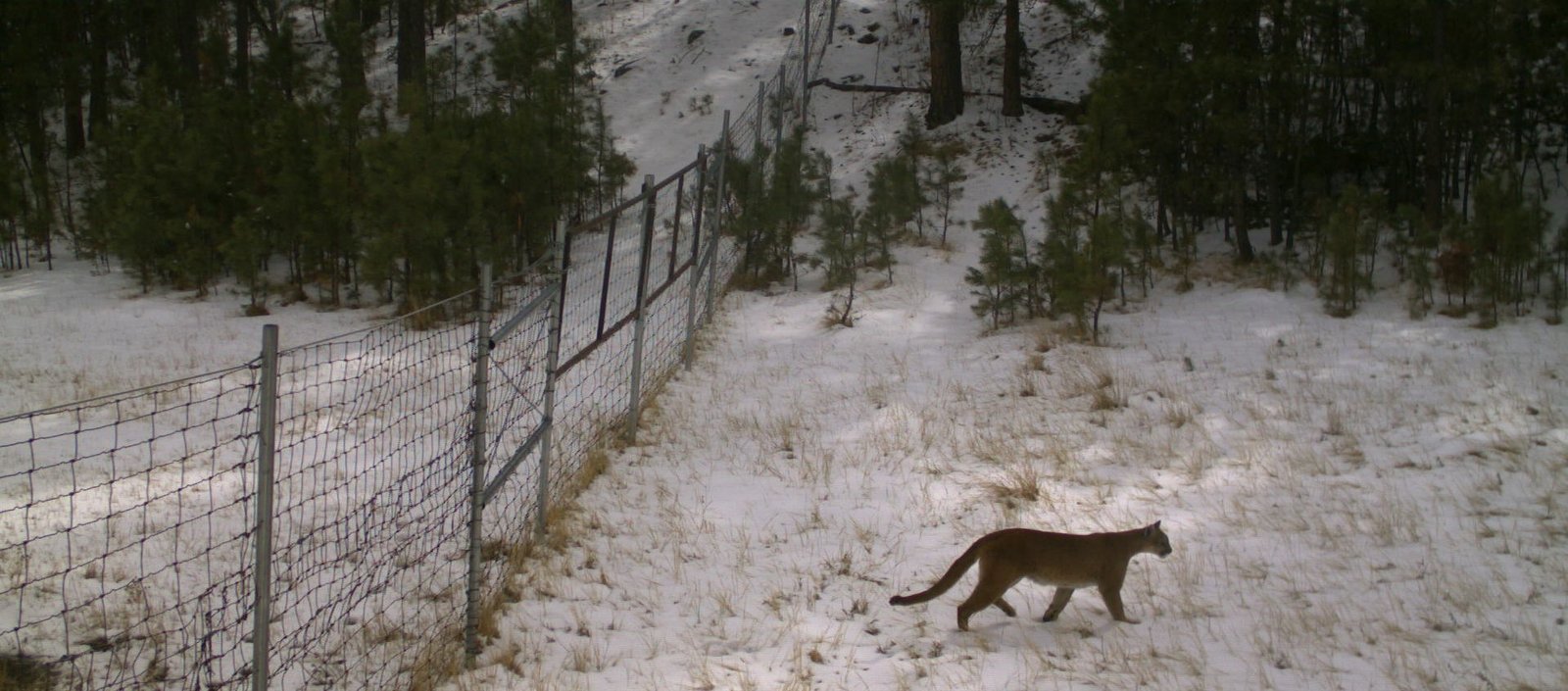
GFP estimated 393 mountain lions in the South Dakota Black Hills before the 2024–25 season, 295 of them at least a year old, its July 2025 status report says. The margin is wide, from 119 to 680 at 95 percent confidence, and lion estimates “often have low precision,” the report notes. So GFP averages three years of estimates, weighting the more precise ones, and by that measure the population sits within the state’s target of 200 to 300 lions, perhaps near the top. GFP’s estimate in December 2022 was 275, its staff told the commission in 2023.
The count works like tag-and-release, with DNA for tags. Before each season, teams with hounds tree lions and dart them for a tissue sample: 35 samples from 28 lions in December 2024. The season is the second sample. Of 50 lions a year or older killed that season, four had been darted, and few repeats mean many lions. All these numbers cover only the South Dakota side of the Hills.
Deer, Mostly
Deer are most of what Black Hills lions eat. A 2014 study, summed up in GFP’s 2019 plan, logged 1,506 feeding events by 41 collared lions. Deer made up 83 percent of the identified prey, white-tailed deer more often than mule deer, followed by elk at 5.5 percent and wild turkeys at 3.1. Lions also scavenge: carcasses they did not kill made up 17.3 percent of the diet, more in winter than in summer.
A lion hides a fresh kill under grass and brush and feeds on it over several days, Wind Cave National Park says. In state studies, lions were the leading known cause of death for collared elk calves and mountain goats (see Elk, Bighorn Sheep and Mountain Goats).
Adult males average 140 to 150 pounds and females 80 to 90, GFP says, and Wind Cave says males can top 180. Litters average about three kittens. In a Black Hills study, young lions left their mothers at 13.5 months on average, and all 14 young males followed left the area where they were born.
The Season and the Argument Over Hounds
Hunters killed 13 lions in the Hills in the first season, 2005–06. The take peaked at 73 in 2011–12, fell to 21 in 2018–19 and has run from 42 to 52 in each season since, by GFP’s 2025 report; in 2024–25 it was 52, including 29 females. Most hunters go on foot, and from 2005–06 through 2024–25 an average of 2.2 percent of them got a lion. Hound hunters in Custer State Park averaged 59 percent from 2012–13 to 2024–25. Hunters took 32 lions in the 2025–26 season, which ended April 30, 2026, GFP’s harvest report shows.
Hunters aren’t the only cause of death. Of 145 lion deaths GFP documented in the Hills in the two years ending April 30, 2025, hunters accounted for 99, the agency and the public removed 30 over livestock, pets or safety, and vehicles killed 11.
The fight is over hounds. In 2023 a petition asked the GFP Commission to let hunters with dogs chase lions across more of the Hills. More than 800 comments came in, most in favor, Searchlight reported, but the commission said no after department staff called the change premature and warned it would deepen a decline. Staff projected fewer than 250 lions by the end of 2023.
In September 2025 the commission voted 7–0, with one member recused, Searchlight reported, to open more of the eastern and southern Hills around Custer State Park to hounds. A legislative rules committee approved the change in October, SDPB reported. Supporters said hounds let a hunter see a treed lion’s sex and age before shooting and help remove lions that kill livestock. GFP said hunting in the central and northern Hills already met its target, and that more hunting in the south could help falling deer numbers there. Opponents said chasing lions with dogs breaks fair chase, the principle that hunted animals get a real chance to escape, crowds out hunters on foot, is inhumane and lacks a basis in science.
In a 2018 survey cited in GFP’s plan, 53 percent of South Dakota residents disagreed that mountain lions are too dangerous a risk to people, and 28 percent agreed. Among Black Hills residents, 67 percent disagreed.
Why So Few People See One
A mountain lion is a rare sight. The cats are shy and usually avoid people, Wind Cave National Park says, and no more than three or four are thought to come into the park; tracks are the usual sign. National parks and monuments are among the few places in the Hills closed to lion hunting, GFP’s plan notes.
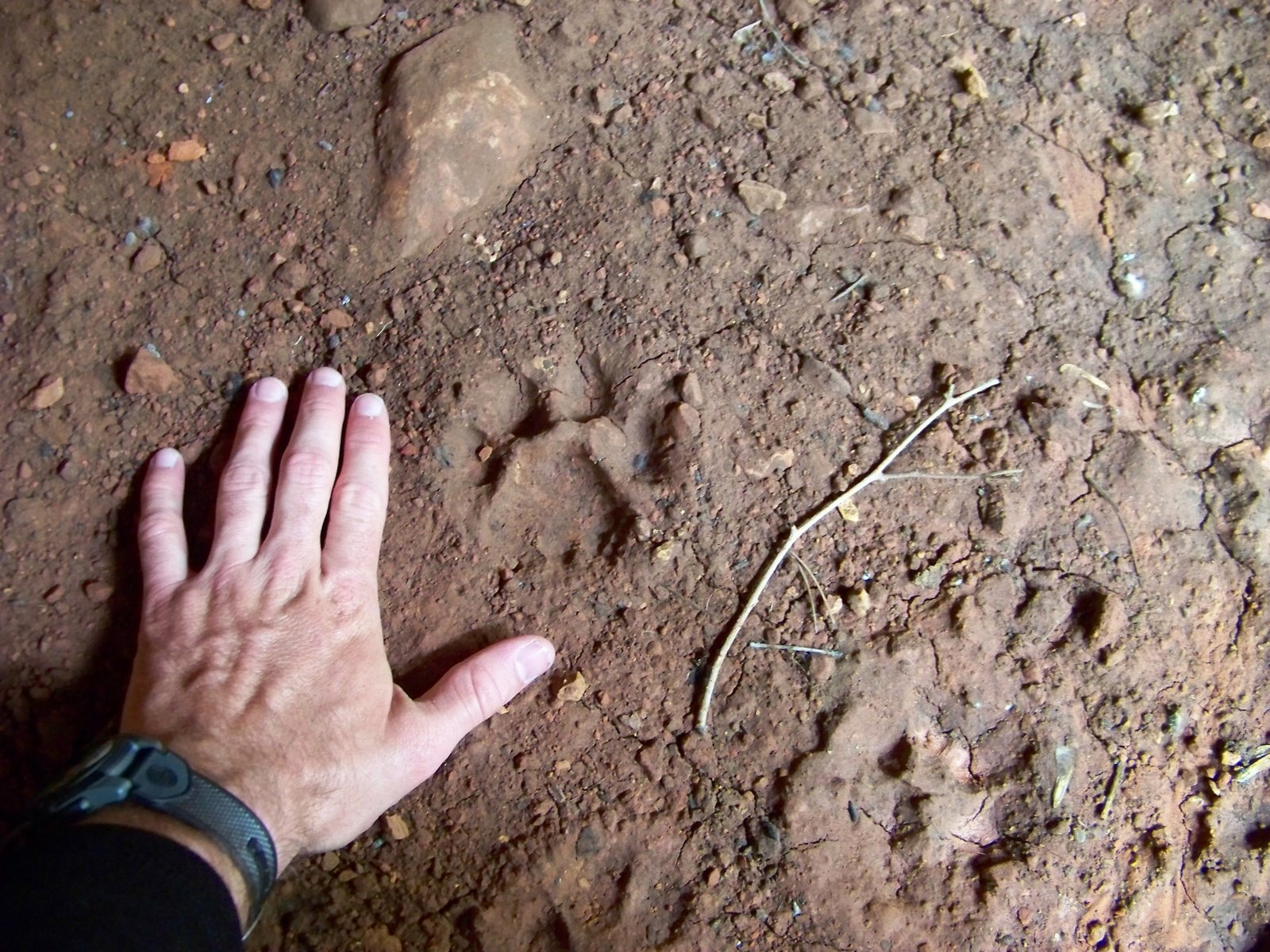
GFP’s 2019 plan records one reported attack on a person in South Dakota, classed as probable but unverified, and calls the chance of an attack causing serious injury or death extremely low. As houses spread into lion country, encounters in towns have grown more likely, the plan says. GFP asks people not to feed deer or turkeys near homes, which can draw lions, to watch children closely and to keep pets under control. Wind Cave advises hiking in groups, never running from a lion or crouching down, and fighting back if attacked.
Lions seen outside the Hills are mostly males passing through, GFP says. One, collared in the Black Hills in 2003, traveled more than 600 miles to Oklahoma, where a train killed it in 2004. In June 2011 a 140-pound male was killed on the Wilbur Cross Parkway in Milford, Connecticut, the state’s first confirmed cougar in more than 100 years, Connecticut’s wildlife agency reported. Its DNA matched the Black Hills population and a lion tracked in Minnesota and Wisconsin about 18 months earlier. It had come more than 1,500 miles.
Connected
- Elk, Bighorn Sheep and Mountain GoatsElk calves and mountain goats, whose leading known cause of death in state studies was the mountain lion.
- Custer State ParkThe one place in the Hills where hunters could use hounds on lions until 2025.
- Wind Cave National ParkA national park closed to lion hunting, where no more than three or four of the cats are thought to come.
- The Central HillsThe granite core and the towns from Hill City to Rapid City, where homes now reach into lion country.
- The Southern HillsWhere the 2025 rule opened more ground to hound hunting, and where a lone male was hunted on Elk Mountain in 1958.
Sources
- South Dakota Mountain Lion Management Plan, 2019–2029 (Wildlife Division Report 2019-06). South Dakota Department of Game, Fish and Parks, 2019.
- Mountain Lion Population Status Update, 2025 Biennial Report (Wildlife Survey Report 2025-06). South Dakota Department of Game, Fish and Parks, 2025.
- Mountain Lion. South Dakota Department of Game, Fish and Parks, undated (viewed November 2026).
- Mountain Lion Hunting Season (commission action proposal, with supporting information). South Dakota Department of Game, Fish and Parks, 2023.
- Mountain Lion (2025/26 Black Hills season harvest report). South Dakota Department of Game, Fish and Parks, 2026.
- Felines (Wind Cave National Park). National Park Service, 2020.
- Endangered and Threatened Wildlife and Plants; Removing the Eastern Puma (=Cougar) From the Federal List of Endangered and Threatened Wildlife (83 FR 3086). US Fish and Wildlife Service, 2018.
- Mountain Lion Killed on Parkway in Milford. Connecticut Wildlife, July/August 2011. Connecticut Department of Energy and Environmental Protection, 2011.
- Cougar Makes Incredible Journey from South Dakota to CT, by Paul Rego. Connecticut Wildlife, September/October 2011. Connecticut Department of Energy and Environmental Protection, 2011.
- Commission Denies Expanded Hound Hunting for Mountain Lions After Hundreds of Comments, by Joshua Haiar. South Dakota Searchlight, 2023 (as republished by News From The States).
- Commission Expands Black Hills Area Where Hunters Can Use Dogs to Chase Mountain Lions, by Joshua Haiar. South Dakota Searchlight, 2025 (as republished by News From The States).
- GFP Commission Approves Mountain Lion Hunting Changes, by Jackson Dircks. SDPB, 2025.
- Legislature Approves Shooting Range Fees and Rule Change for Mountain Lion Hunting, by Jackson Dircks. SDPB, 2025.
Last reviewed: