The Tribes and Hé Sápa
Who Lived in the Hills First
The Lakota trace their beginning to a cave at the southern edge of the Black Hills. The Kiowa Tribe’s history places the Kiowa in the Hills around 1650, alongside the Crow, and the Northern Cheyenne Tribe holds Bear Butte as its most precious sacred site. Who came first has several answers: the archaeological record, the many nations tied to the Hills, and the differing Lakota and scholarly accounts of how the Lakota came.
What Does Archaeology Show in the Black Hills?
Archaeological evidence shows people using the Black Hills for at least 11,000 years, and the plains around them for at least 15,000, the Black Hills National Forest reported in a 2023 assessment. As far back as North American archaeology reaches, people were living in the region and using it, so the old picture of an empty land waiting for settlers doesn’t hold.
Only a few sites in the forest clearly belong to the earliest, Paleoindian period, when people hunted mammoth and bison with long stone spear points. Most of them appear to lie on the west-central Limestone Plateau, one of the rings of rock described in How the Black Hills Formed, near low springs rather than year-round water. At the Vore Buffalo Jump in the Red Valley east of Sundance, Wyoming, hunters working together killed bison for about 300 years, until around 1800.
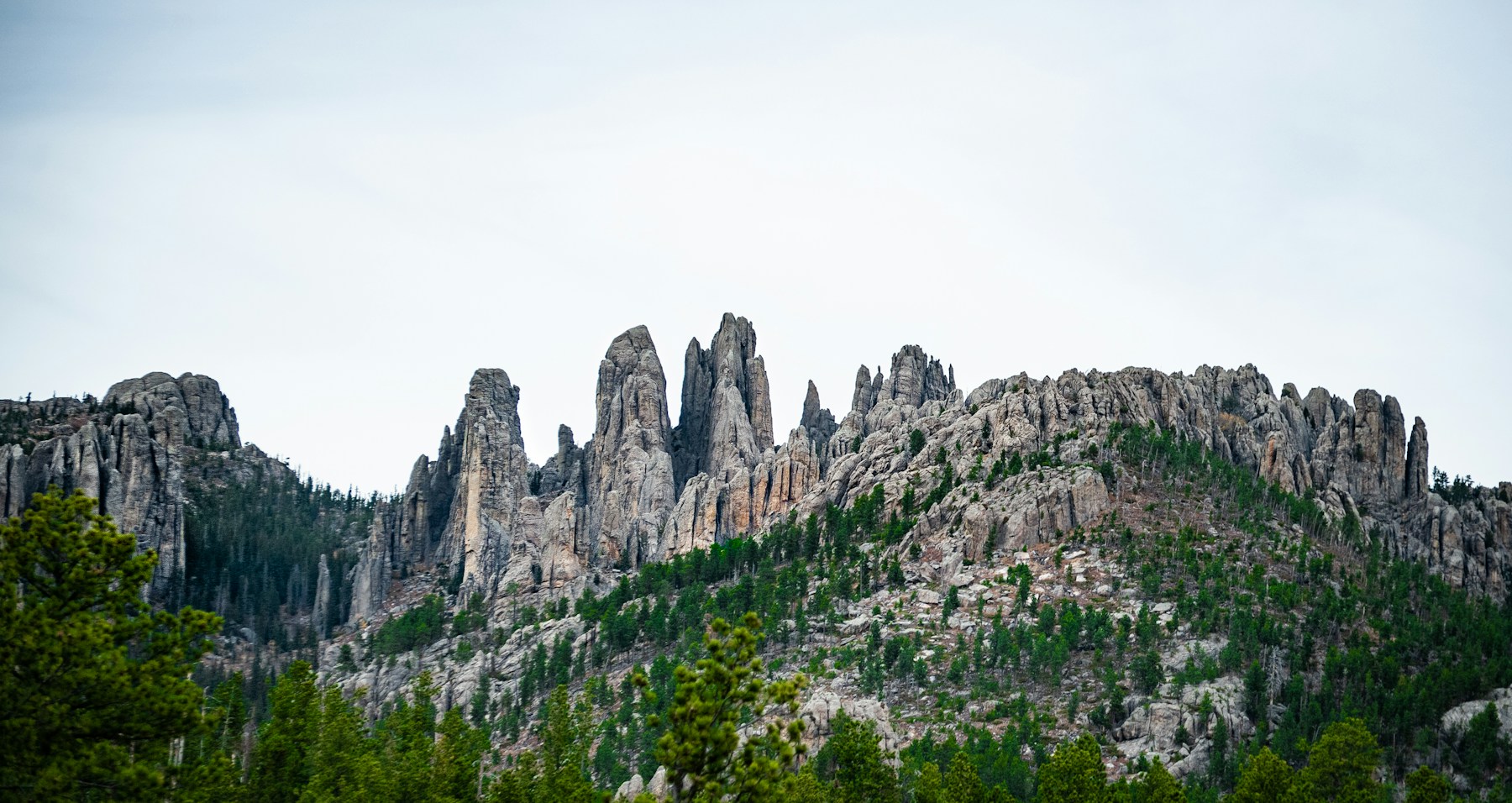
Archaeology says less about who they were. Over much of those 11,000 years, the Forest Service writes, they were ancestors of the Northern Plains tribes. A 2003 study for the National Park Service notes that archaeologists know far more about how early peoples lived than about their nation or language, and it calls efforts to assign sites to particular peoples very speculative.
Which Other Nations Have Ties to the Hills?
Many do: the Kiowa, Crow, Plains Apache, Cheyenne, Arapaho, Eastern Shoshone, Ponca, and the Mandan, Hidatsa and Arikara. The Black Hills National Forest consults 16 tribal governments, Wind Cave National Park 20, and Devils Tower counts 26 affiliated tribes.
By the Kiowa Tribe’s account, the Kiowa reached the Black Hills around 1650 and lived there with the Crow until the Cheyenne and Lakota pushed them south. Kiowa oral history, the National Park Service reports, links Devils Tower, which the Kiowa call Tree Rock, to their star knowledge.
Crow (Apsáalooke) tradition, as the 2003 study reports it, tells of the Crow leaving their Hidatsa kin on the Missouri River in the late 1600s for the Yellowstone and Little Missouri country. By the mid-1700s, the study finds, Crow and Kiowa bands shared the northwestern Hills. In the early 1700s, the Forest Service writes, the Crow, with Kiowa and Kiowa-Apache allies, are thought to have held the Hills. The Crow call Devils Tower Bear Lodge.
The 2003 study places Apache peoples in the Hills probably as early as the 1500s and ties the Plains Apache closely to the Kiowa.
From Bear Butte to the Missouri River Villages
For the Cheyenne, the center is Bear Butte (Nóávóse). Llevando Fisher, then president of the Northern Cheyenne Tribe, told a House subcommittee in 2014 that the butte is “our Mount Sinai,” where the prophet Sweet Medicine received the Sacred Arrows. Cheyenne tradition, as the 2003 study recounts it, remembers the northern side of the Hills held by the Kiowa, Plains Apache, Comanche, Arapaho and Crow when the Cheyenne arrived; most Cheyenne moved into the region in the second half of the 1700s, the study says, though it also reports Karl Schlesier’s view that the Bear Butte country was a prehistoric Cheyenne homeland.
In 1897 Left Hand, of the Southern Arapaho, told the Army officer Hugh Scott that the Arapaho split after coming south to the Black Hills, the northern people staying north and his own going south for more horses and a milder climate. The Arapaho, who call Devils Tower Bear’s Tipi, were a party to the Fort Laramie Treaty of 1868. Through much of the 1800s, the 2003 study finds, the Lakota, Cheyenne and Arapaho held the Hills as common ground, intermarrying and defending them together.
The Eastern Shoshone have a sacred association with Devils Tower, but the Park Service says they keep their religious life private. Published ethnography shows little sign of a lasting Ponca tie to the Hills, the 2003 study found, though the Ponca remember once living near them and have their own name for Wind Cave.
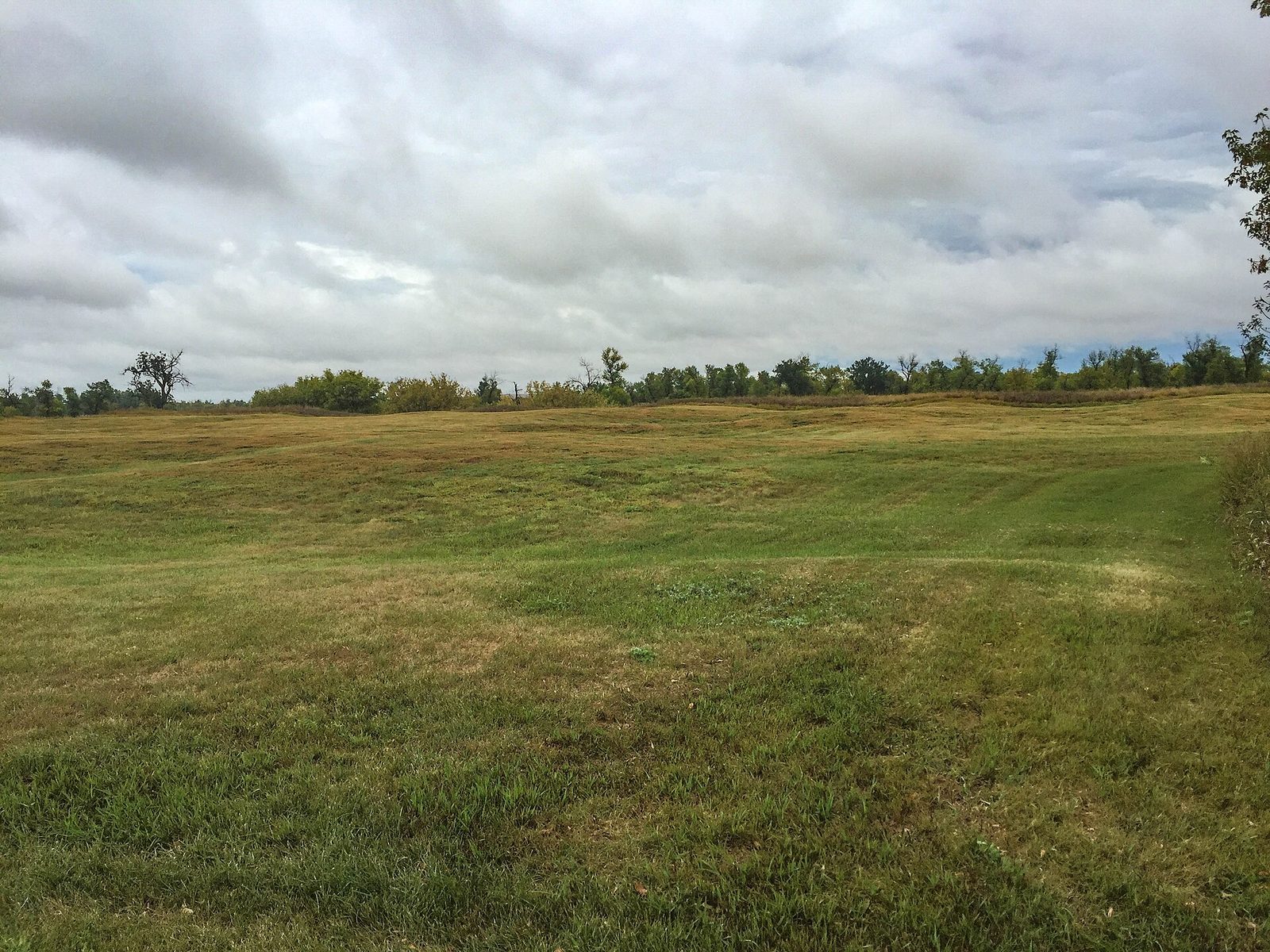
In the 1700s, Arikara and Mandan people came to the Hills from their Missouri River villages on trading and gathering trips, the Forest Service says. Oral traditions of the Mandan, Hidatsa and Arikara remember the Hills, the 2003 study finds, though the places these nations hold most important are mainly in the northern Hills.
The Lakota Account: A Beginning in the Hills
In Lakota accounts, the Black Hills are where the people began. In the version Wilmer Mesteth, an Oglala Lakota tribal historian and spiritual leader, told to Sina Bear Eagle, as Wind Cave National Park publishes it, the people lived beneath the earth while the world was made ready; some, lured up too soon, were turned into the first bison, and when the time came the Creator sent the rest up with their leader through the passage known today as Wind Cave. Versions differ by band and family, the park notes; the fuller telling is on Sacred Sites: Bear Butte, Devils Tower and Wind Cave.
ICT, a news outlet, reported in 2004 that Victor Douville, a Rosebud historian, said Lakota star knowledge places the Lakota in the Black Hills in 1700 B.C.
When Do Historians Say the Lakota Reached the Black Hills?
Scholars date the Lakota’s coming from the mid-1700s to the early 1800s, depending on whether they mean the first trips into the Hills or the main body settling there. Many of their dates rest on Lakota winter counts, pictographic histories that mark each year with one drawing. American Horse’s count marks the winter of 1775–76 with a man holding a tall tree; the federal Bureau of Ethnology’s 1886 English reading says Standing Bull found the Black Hills that winter and carried home a pine of a kind he had never seen.
A note in the report says the Lakota had lately claimed the Hills “probably by right of discovery in 1775-’76; but the Crows were the former possessors.” The 2003 study calls the entry the first written evidence of the Lakota’s arrival in the Black Hills. The historian James Hanson treats 1775 as the earliest possible date; others argue it marked one of many trips. John Ewers suggested about 1765, and Cheyenne stories of Lakota arriving with dog travois, before they had horses, would place them there several decades before 1775.
The Forest Service’s 2023 assessment says the Lakota entered the area by about 1770, though the same document dates their crossing of the Missouri to around 1775. The 2003 study puts the Hills on the far western fringe of Lakota range as the 1700s closed, and dates the settling of the main body of the Lakota there to the early 1800s.
Where the Accounts Differ
Lakota accounts place the people’s beginning in the Hills; the scholarly record follows the Lakota west across the Missouri and into the Hills during the 1700s. Tribal accounts differ among themselves too: the Kiowa Tribe’s history calls the Cheyenne and Lakota “invading.”
The 1886 note is right that the Crow were in the region before the Lakota, and the Forest Service says the Crow and their allies later gave way, moving south and west as the Lakota, Cheyenne and Arapaho pressed them. What the record doesn’t support is a “right of discovery,” or the idea that one nation’s earlier presence cancels the others’. Many nations used the Hills, often at once, and most came from somewhere else.
Once generations of marriage and alliance among nations are counted, the 2003 study’s authors write, the Lakota claim to a tie with the Hills going back to time immemorial is “correct.” Members of the Oglala Sioux Tribe have documented family lines reaching to the Arikara, Ponca, Arapaho and Cheyenne, nations that lived in or traveled through the Hills before most Lakota settled there.
No arrival date changes the legal record. In the Fort Laramie Treaty of 1868, the United States set apart a reservation that included the Black Hills “for the absolute and undisturbed use and occupation” of the nations named in it. The treaty says nothing about how long any of them had lived there; in 1980 the Supreme Court called the Hills tribal property “set aside for the exclusive occupation of the Sioux by the Fort Laramie Treaty of 1868.” The 1877 Act then took the Hills without the consent the treaty required, as told on The 1876 War and the Taking of the Hills.
What the Hills mean in Lakota understanding, from star knowledge to the seasonal round, is the subject of Hé Sápa: Why the Hills Matter.
Connected
- Hé Sápa: Why the Hills MatterThe Hills in Lakota understanding, including star knowledge and the seasonal round.
- Sacred Sites: Bear Butte, Devils Tower and Wind CaveThe home of the Lakota emergence story at Wind Cave, and what Bear Butte and Devils Tower mean to many nations.
- How the Black Hills FormedThe rings of rock, including the Limestone Plateau, where the forest’s earliest sites appear to cluster.
- The Red ValleyThe valley that holds the Vore Buffalo Jump on the Wyoming side.
- The Fort Laramie Treaties of 1851 and 1868The 1868 treaty that set apart a reservation including the Black Hills.
- The 1876 War and the Taking of the HillsHow the Hills were taken from the tribes between 1874 and 1877.
Further reading
- History of the Kiowa Tribe, Kiowa Tribe
- The Lakota Emergence Story, as told by Wilmer Mesteth, National Park Service, Wind Cave National Park
- The Home of the Bison: An Ethnographic and Ethnohistorical Study of Traditional Cultural Affiliations to Wind Cave National Park, Patricia C. Albers and others, for the National Park Service
- Wind Cave Signage Now Historically Accurate, SDPB
Sources
- About Us: History of the Kiowa Tribe. Kiowa Tribe, accessed 2026.
- The Lakota Emergence Story. Told by Wilmer Mesteth, retold by Sina Bear Eagle. National Park Service, Wind Cave National Park, updated 2024.
- Statement of Llevando “Cowboy” Fisher, President, Northern Cheyenne Tribe, on H.R. 4350, the Northern Cheyenne Lands Act. House Committee on Natural Resources, Subcommittee on Indian and Alaska Native Affairs, 2014.
- A Proud Buffalo Nation Carries On. ICT staff, ICT, 2004.
- Black Hills National Forest Revised Forest Assessment: Cultural Resources. USDA Forest Service, 2023.
- Tribal Relations. USDA Forest Service, Black Hills National Forest, accessed 2026.
- The Home of the Bison: An Ethnographic and Ethnohistorical Study of Traditional Cultural Affiliations to Wind Cave National Park, volume 1. Patricia C. Albers and others, University of Minnesota, for the National Park Service, 2003.
- The Associated Tribes of Wind Cave National Park. National Park Service, 2024.
- A Place of Reverence for Native Americans. National Park Service, Devils Tower National Monument, updated 2025.
- People. National Park Service, Devils Tower National Monument, updated 2025.
- Pictographs of the North American Indians: A Preliminary Paper. Garrick Mallery, Fourth Annual Report of the Bureau of Ethnology, 1886 (Project Gutenberg edition).
- Treaty of Fort Laramie (1868). National Archives, Milestone Documents, accessed 2026.
- United States v. Sioux Nation of Indians, 448 U.S. 371. Supreme Court of the United States, 1980 (Legal Information Institute, Cornell Law School).
Last reviewed: